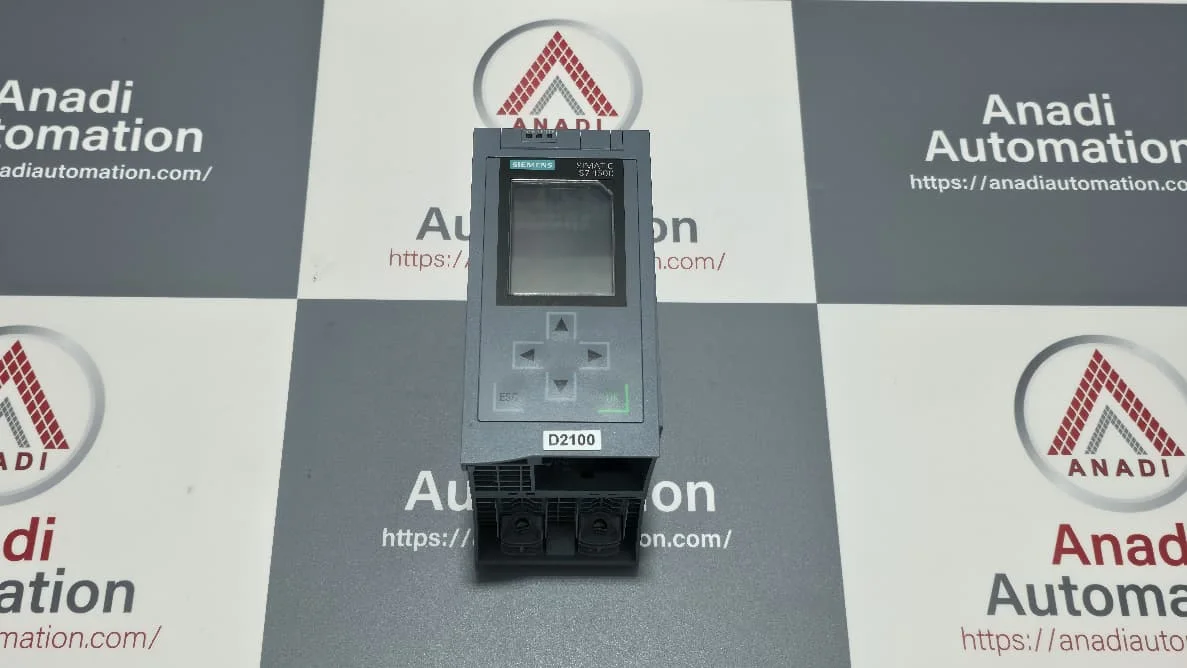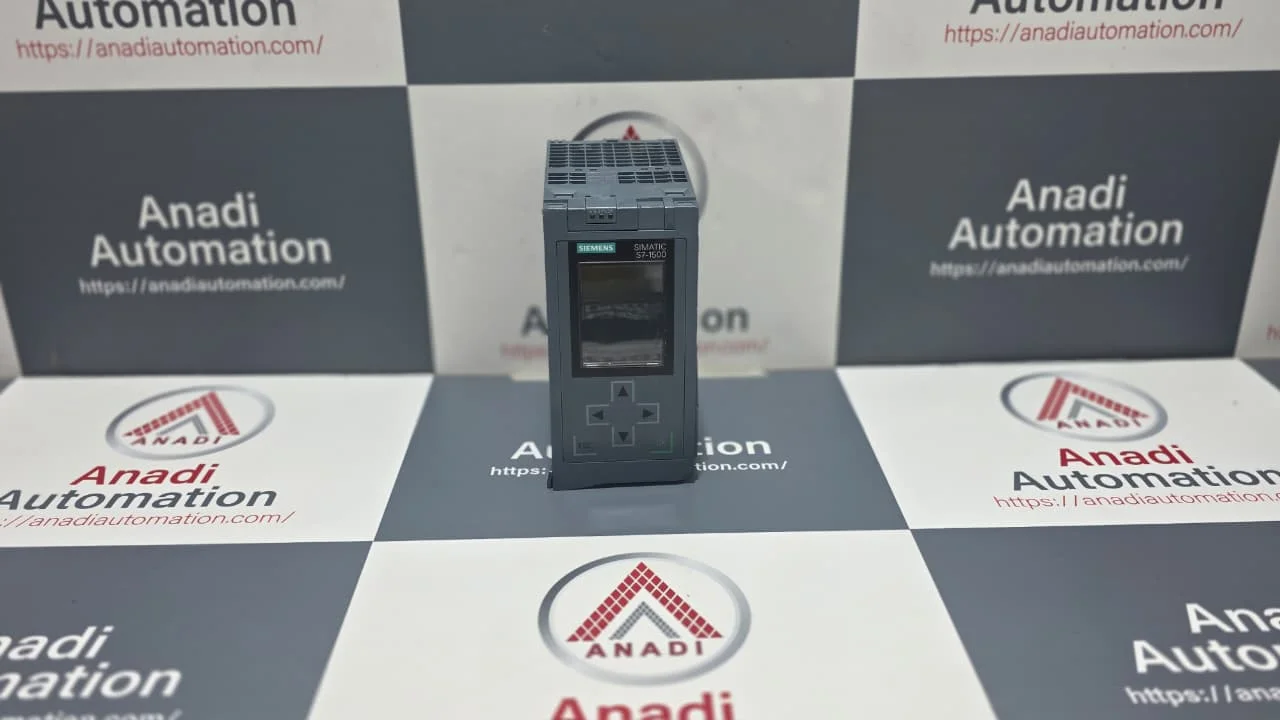
In the ever-evolving world of industrial automation, Programmable Logic Controllers (PLCs) are the core controllers that keep operations running smoothly. Whether it’s a production line, conveyor system, or water treatment plant—PLCs are behind the scenes making it all work. But who builds these powerful controllers? In this blog, we’ll explore the leading PLC manufacturers, highlight trusted PLC brands, and help you discover the best PLC products for your automation needs.
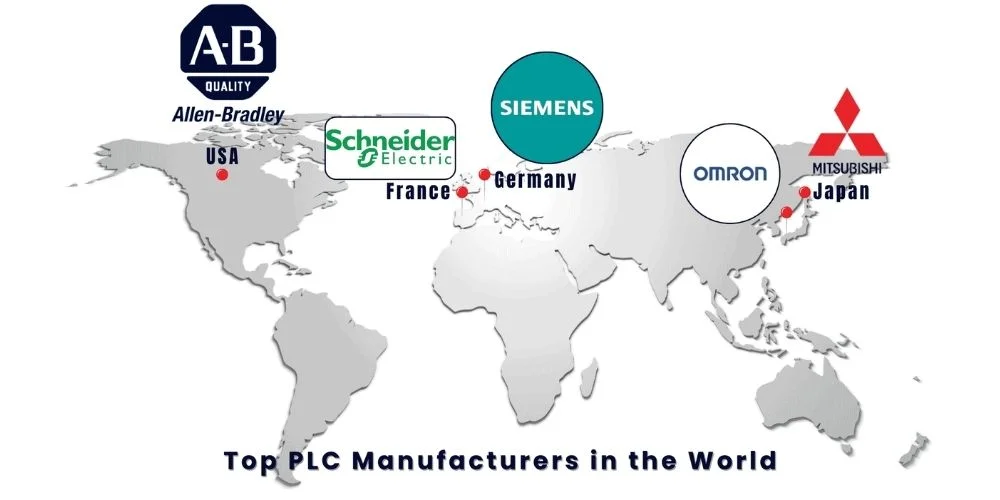
Top PLC Manufacturers in the World
Here’s a look at some of the most trusted global programmable logic controller manufacturers:
1. Siemens (Germany)
- Why It’s Popular: Leader in automation with a strong global footprint
- Best PLC Series: S7-1200, S7-1500, LOGO!
- Key Industries: Manufacturing, energy, automotive, process control
- Software Used: TIA Portal
2. Allen-Bradley by Rockwell Automation (USA)
- Why It’s Popular: Robust performance, widely used in North America
- Best PLC Series: MicroLogix, CompactLogix, ControlLogix
- Key Industries: Packaging, food, and discrete manufacturing
- Software Used: RSLogix 5000, Studio 5000
3. Mitsubishi Electric (Japan)
- Why It’s Popular: Compact and cost-effective automation
- Best PLC Series: FX Series, Q Series, iQ-R Series
- Key Industries: Textile, packaging, automotive
- Software Used: GX Works
4. Schneider Electric (France)
- Why It’s Popular: Energy-efficient, scalable systems
- Best PLC Series: Modicon M221, M340, M580
- Key Industries: Building automation, energy, smart infrastructure
- Software Used: EcoStruxure Machine Expert
5. Omron (Japan)
- Why It’s Popular: Integrated automation with sensing solutions
- Best PLC Series: CP1E, CJ2, NX1P
- Key Industries: Healthcare automation, electronics, automotive
- Software Used: CX-Programmer, Sysmac Studio
What Do PLC Manufacturers Do?
A PLC manufacturing company is responsible for designing, developing, and distributing programmable logic controllers that are used to automate industrial processes. These companies invest heavily in R&D to ensure their PLCs are reliable, efficient, scalable, and compatible with modern technologies like IoT, SCADA, and AI.
From small-scale applications to complex industrial networks, PLC manufacturers provide solutions tailored to various industries including:
- Automotive
- Food and Beverage
- Oil and Gas
- Pharmaceuticals
- Water and Wastewater
- Packaging
- Renewable Energy
Leading PLC Manufacturers in India
India has emerged as a strong player in industrial automation, with several international and local PLC manufacturers in India offering competitive solutions.
Siemens India
A leading player with local production, support, and training centers.
Mitsubishi Electric India
Offers compact PLCs widely used in textile and food industries.
Schneider Electric India
Provides a full range of programmable controllers for Indian manufacturers.
Delta Electronics
Known for economical and energy-saving automation systems.
ABB India
A global automation leader with extensive solutions for process industries.
L&T Electrical & Automation
An Indian PLC manufacturing company offering customized automation panels and solutions.
PLC Company List – Quick Comparison
Here’s a simplified plc company list to compare features and capabilities:
| Brand | Best For | Popular Series |
| Siemens | Large-scale industrial use | S7-1200, S7-1500 |
| Allen-Bradley | Discrete automation | MicroLogix, CompactLogix |
| Mitsubishi | Compact, cost-effective | FX3U, Q Series |
| Schneider | Energy & smart infrastructure | M221, M580 |
| Omron | Sensing + control | CP1E, NX1P |
| Delta | Budget automation systems | DVP Series |
| ABB | Power & process control | AC500 Series |
How to Choose the Best PLC
Looking for the best PLC? Consider these factors before choosing a brand:
- Application Size – Small machines vs. plant-wide control
- I/O Capacity – Number of digital/analog inputs and outputs
- Communication Protocols – Ethernet/IP, Modbus, Profibus, etc.
- Programming Software – User-friendly interface and flexibility
- Local Support – Availability of spares, engineers, and documentation
- Budget – Cost of hardware, software, and maintenance
Why Knowing PLC Brands Matters
Selecting the right PLC brands ensures long-term reliability, ease of integration, and a smoother automation journey. Industrial systems are only as strong as their controllers, so working with top PLC manufacturers helps reduce downtime and improve productivity.
FAQs About PLC Manufacturers
Q1: What is a PLC manufacturing company?
A company that designs and produces programmable logic controllers used to automate machines and industrial processes.
Q2: Who are the top PLC manufacturers?
Global leaders include Siemens, Allen-Bradley, Mitsubishi, Schneider Electric, and Omron.
Q3: What makes a PLC brand reliable?
Product longevity, global availability, support network, and compatibility with automation standards.
Q4: Are there any Indian PLC manufacturers?
Yes, companies like L&T and Schneider Electric India provide PLCs tailored for the Indian market.
Q5: Which PLC is best for beginners?
Siemens LOGO!, Mitsubishi FX3S, and Allen-Bradley MicroLogix are great for learning automation basics.
Conclusion
Whether you’re upgrading your factory automation or starting a new project, choosing from the top PLC manufacturers is crucial for long-term performance and reliability. Explore various PLC brands, study the offerings from your preferred PLC manufacturing company, and evaluate the best PLC based on your industry needs.
With the right controller in place, your automation journey will be efficient, scalable, and future-ready.
Related Blogs
PLC Working Principle: How PLC Works
Modular PLC: Flexible Approach to Industrial Automation
What Micro Size PLC Can Handle
Understanding PLC Basics: Beginner Guide to PLC Basics
PLC Programming Languages: Complete Guide to PLC Language Types
AB PLC: The Power Behind Industrial Automation
History of Programmable Logic Controller (PLC)
Understanding PLC Input and Output
PLC Applications: How PLC Powers Modern Industry
Logic Diagram PLC: Understanding PLC Ladder Logic and Programming Basics